
CNAP in India: More Than Just Caller ID — What SMBs Should Know to Guard Against Phone Scams
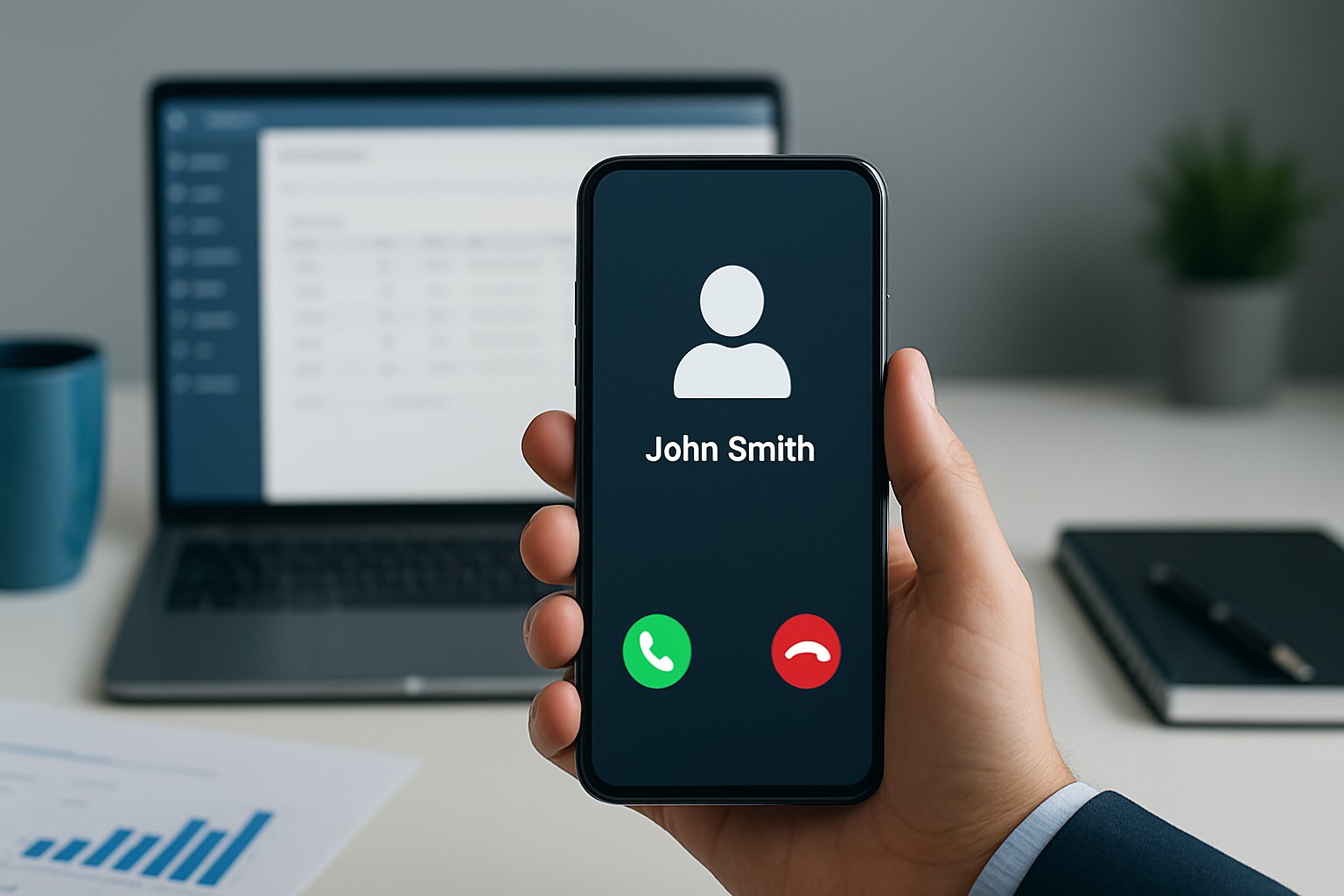
Starting November 1, Indian mobile users will see the caller’s registered name alongside the number, thanks to the government-backed CNAP (Caller Name Presentation) system. At first glance, this looks like a straightforward caller ID upgrade, but its implications for scam prevention — especially for small and medium businesses (SMBs) — are more nuanced.
Understanding CNAP’s scope and limits is crucial for SMBs that rely on phone calls for customer engagement, sales, and support. This article unpacks CNAP’s technology, clarifies common misconceptions, and highlights how SMBs can complement CNAP with AI-based workflows for stronger fraud detection and customer trust.
Why CNAP Is More Than Just a Caller ID
Traditional caller ID systems in India have been limited to displaying the incoming phone number. CNAP enhances this by showing the registered caller name, based on telecom operator databases. This means:
- Transparency: Call recipients now see a business or personal name linked to the caller ID, not just an unknown number.
- Verification: Calls from registered numbers with verified names can help users decide whether to answer.
However, the key word here is registered. CNAP depends heavily on telecom operators maintaining accurate, up-to-date records. Many scam calls can come from unregistered or spoofed numbers, which CNAP cannot reliably detect or block.
For example, a fraudster might register a generic name or spoof a legitimate number that already has a CNAP entry. So while CNAP raises the baseline for caller transparency, it is not a silver bullet against sophisticated scams.
CNAP’s Limitations: What Businesses Should Watch Out For
For SMBs, phone calls remain vital for:
- Lead generation and sales follow-ups
- Customer service and support
- Order confirmations and delivery coordination
CNAP can help customers recognize official business calls by showing registered names, but it doesn’t prevent:
- Caller ID spoofing: Scammers faking legitimate business numbers.
- Unregistered or new numbers: Calls from fresh or fraudulent sources that lack CNAP registration.
- Automated robocalls: Bulk scam calls that exploit gaps in telecom monitoring.
Additionally, some businesses may struggle to register their numbers promptly or keep details updated in telecom databases, leading to inconsistent CNAP display and customer confusion.
How AI-Powered Automation Complements CNAP for SMBs
SMBs can’t rely solely on CNAP for phone security. Instead, combining CNAP with AI-driven tools offers a layered defense:
1. AI Chatbots Trained on Business Documents
Deploy AI chatbots on websites that recognize customer queries and verify caller intent before escalating to phone conversations. These chatbots can pull from FAQs, policies, and previous interactions to flag suspicious requests.
2. AI-Powered Call Analytics
Integrate AI tools that analyze call patterns, voice signatures, and caller behavior in real time. These tools alert teams when a call deviates from typical customer interaction or matches scam profiles.
3. Automated CRM Workflows
Link incoming calls to CRM records automatically, cross-checking caller information against verified customer data. This reduces manual errors and helps sales/support teams avoid phishing or spoofing traps.
4. Continuous Content Updates with AI Blog Automation
Educate customers regularly with automated blog articles on phone safety, scam awareness, and official communication channels. Keeping content fresh improves SEO and builds trust.
Comparison: Legacy Manual Phone Handling vs Agentic AI-Powered Caller Verification
| Aspect | Legacy Manual Workflow | Agentic AI-Powered Workflow |
|---|---|---|
| Caller Identification | Caller ID shows number only; manual cross-checking required | CNAP name display + AI-based caller verification and behavior analysis |
| Fraud Detection | Reactive manual flagging; depends on employee vigilance | Proactive AI alerts from call analytics and chatbot screening |
| Customer Verification | Manual questioning; prone to human error | Automated CRM integration with identity matching |
| Customer Education | Periodic manual updates or none | Automated blog updates on scam awareness and contact protocols |
| Operational Efficiency | Time-consuming call handling, risk of missing scams | Streamlined workflows with AI-powered automation reducing errors |
FAQs on CNAP and Phone Security for SMBs
What exactly is CNAP and how does it work?
CNAP (Caller Name Presentation) is a telecom service that displays the registered caller name on incoming calls in India, helping users identify who is calling beyond just the phone number.
Can CNAP completely stop phone scams?
No. CNAP improves transparency but can’t stop spoofing or calls from unregistered numbers. Businesses need additional AI-based tools for effective scam detection.
How can SMBs register their numbers for CNAP?
Telecom operators provide registration processes for businesses to submit official caller name details linked to their numbers. Keeping this data updated is important for accurate CNAP display.
What AI tools can SMBs use alongside CNAP?
AI chatbots, call analytics platforms, integrated CRM workflows, and automated content engines help identify suspicious calls, verify customers, and educate users.
Is CNAP mandatory for all businesses in India?
CNAP is a telecom initiative; businesses benefit from registering but it’s not legally mandatory. However, it is recommended for building customer trust.
The LaysanX Action Plan
CNAP sets a new baseline for caller transparency, but Indian SMBs should view it as one layer in a multi-tiered approach to phone security and customer trust. Here’s how to act now:
- Register your business numbers promptly with CNAP through your telecom operator to ensure your official name appears on calls.
- Deploy AI chatbots trained on your company documents for pre-call verification and 24/7 customer support, reducing scam risks.
- Integrate AI-powered call analytics and CRM automation with your phone systems to detect suspicious patterns and automate lead management.
- Use AI blog automation to keep customers informed about phone scams and your verified communication channels, boosting trust and SEO.
At LaysanX, our unified Agentic Triad ecosystem combines AI Website Builder, Knowledgebase Chatbot, and Lead-to-Ledger ERP automation to empower Indian SMBs to build secure, scalable, and automated digital operations.
Deploy your workspace instantly for just ₹199/Month. 0% platform sales commission splits. Retain 100% of your operational business margins risk-free with our 7-Day Refund Guarantee.