
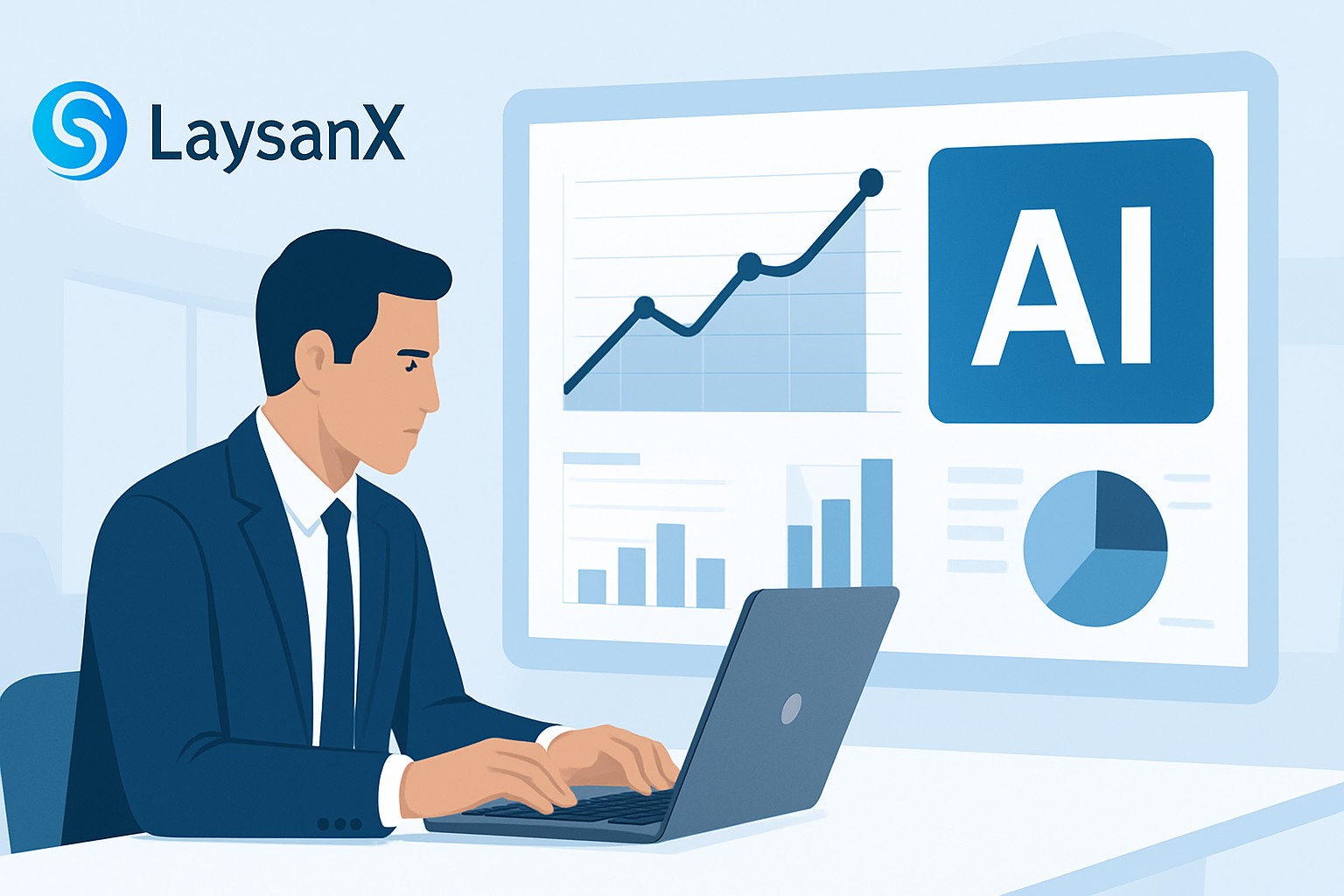
Why Measuring Enterprise AI Success Through Unit Economics Is Non-Negotiable
As AI tools transition from pilot projects to mission-critical enterprise systems, the question isn’t just about what AI can do. It’s about what it costs—strictly in terms of business outcomes per unit of input. For Indian enterprises and SMBs alike, this means moving beyond simplistic success metrics like reduced response times or chatbot accuracy percentages. Instead, leaders must zero in on unit economics: the direct impact of AI on costs, revenue, and margins.
AI Pilots Versus Enterprise Reality: Bridging the Gap
Many Indian businesses have experimented with AI-driven chatbots, content automation, or CRM enhancements. While pilot projects often show promising technical outcomes, the transition to full-scale deployment reveals hidden costs, integration friction, and unexpected operational overhead.
For example, a customer support chatbot might reduce average handling time in trials, but the actual impact on customer retention or lifetime value (LTV) depends on factors like chatbot training, escalation workflows, and real-time monitoring. Without linking AI performance to unit economics—such as cost per resolved ticket or revenue per customer interaction—enterprises risk paying a “success tax”: an expensive, poorly understood cost that erodes margins.
Unit Economics: The True North for AI Investment
Unit economics breaks down the value AI creates or consumes at the smallest measurable level, such as per lead generated, per sales conversion, or per customer interaction. By focusing on these granular metrics, business leaders can:
- Identify profitable AI workflows: Which automation steps reduce costs without sacrificing quality?
- Optimize resource allocation: Where does AI replace manual tasks, and where should human intervention remain?
- Forecast sustainable growth: How do AI-driven processes scale with minimal incremental cost?
For Indian SMBs juggling multiple SaaS tools, this approach also highlights opportunities to consolidate platforms—like replacing separated CMS, CRM, and chatbot tools with unified ecosystems such as LaysanX’s Agentic Triad.
Legacy Manual Workflows vs. Automated Agentic Workflows
| Aspect | Legacy Manual Workflow | Automated Agentic Workflow (LaysanX) |
|---|---|---|
| Content Creation | Manual writing, SEO done separately, inconsistent update frequency | AI-powered auto-blogging engine generating trend-aware articles with SEO metadata |
| Customer Support | Human agents handle queries with limited knowledgebase access, high response times | AI chatbot trained on company documents with real-time session tracking and audit logs |
| Website Management | Rigid templates, manual coding, slow updates | Dynamic AI website builder generating layouts from text prompts, custom theme deployment |
| Billing & Payments | Manual invoicing, multi-tool reconciliation, risk of errors | Integrated token wallet with multi-currency support, real-time usage audits |
| Operational Visibility | Fragmented data in silos, limited analytics | Centralized CMS and ERP automation with unified dashboards |
Practical Steps for Indian Enterprises to Measure AI ROI
1. Define clear unit metrics: Map AI activities to measurable business units. For instance, track cost per lead generated by AI chatbots or margin impact per automated invoice processed.
2. Integrate AI data streams: Use unified platforms that connect AI-generated content, support interactions, and billing data for holistic analysis.
3. Monitor and adjust continuously: AI workflows evolve. Regularly audit unit economics to spot cost leaks or underperforming automations.
4. Prioritize domain-specific AI: Indian businesses benefit from AI models trained on local languages and industry nuances, increasing relevance and reducing retraining overhead.
5. Invest in foundational infrastructure: Address legacy system gaps early to avoid bottlenecks that negate AI efficiency gains.
FAQ: Enterprise AI and Unit Economics
What is unit economics in the context of AI?
Unit economics refers to analyzing the direct costs and revenues attributable to a single unit of business activity influenced by AI, such as a customer interaction or a sales lead.
Why is measuring AI only by pilot success metrics insufficient?
Pilot success often focuses on technical KPIs but misses ongoing operational costs, integration challenges, and margin impacts that determine true business value.
How can Indian SMBs improve AI adoption success?
By focusing on unit economics, consolidating SaaS tools, investing in local language AI models, and continuously monitoring AI workflows for cost and revenue impact.
What role does LaysanX play in managing AI unit economics?
LaysanX offers an integrated ecosystem combining AI website building, content automation, chatbot operations, and billing controls to streamline workflows and improve unit economics visibility.
The LaysanX Action Plan
Stop guessing your AI ROI. With LaysanX’s unified platform, you can deploy AI-powered chatbots, auto-blogging engines, and a dynamic website builder that tie directly into your billing and operational dashboards. Track unit economics in real-time and optimize for profitable growth.
Deploy your workspace instantly for just ₹199/Month. 0% platform sales commission splits. Retain 100% of your operational business margins risk-free with our 7-Day Refund Guarantee.